Source Waterproof Multifunction Hair Salon Bed for SPA, Salon, Beauty
Explore 30 listings for a waterproof multifunction hair salon bed designed for SPA, salon, and beauty applications. Buyers can compare models with LED lights, stainless steel bases, and customizable features to find the right commercial furniture.
Key considerations
Products List


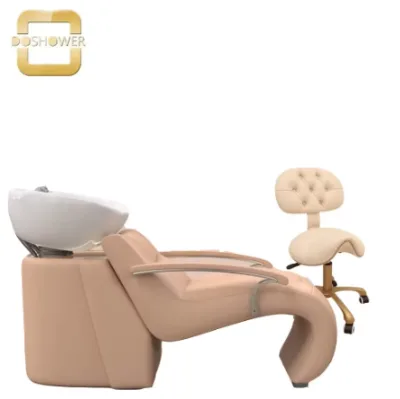
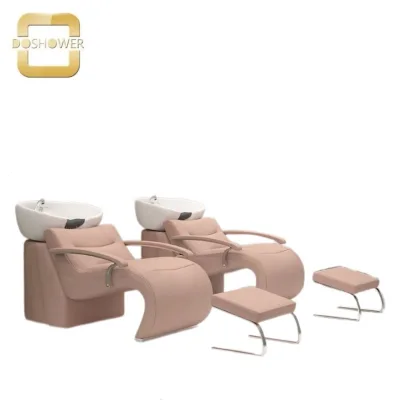
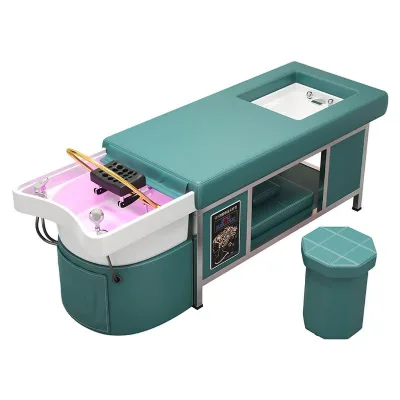
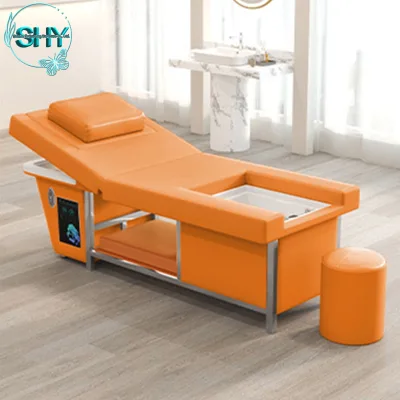
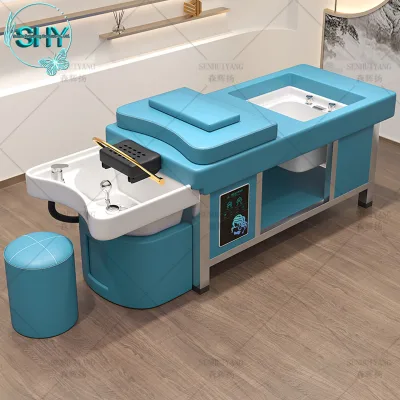
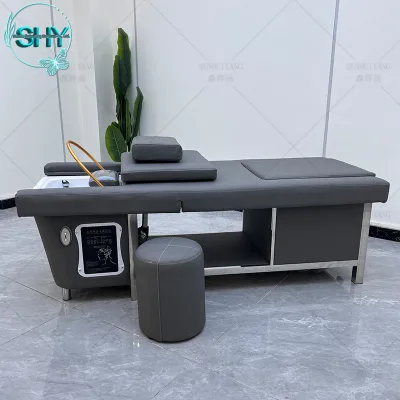
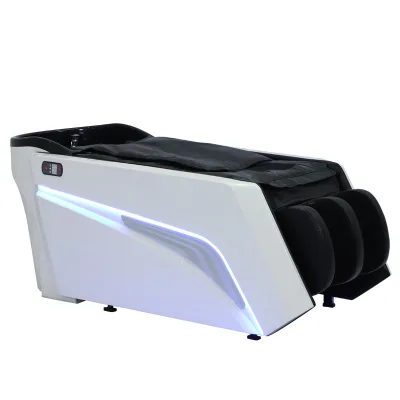
Comprehensive Sourcing Guide
Waterproof Multifunction Hair Salon Bed Sourcing Guide
Selecting the right shampoo bed is a critical capital decision for any salon, spa, or beauty clinic. This guide provides evidence-based procurement advice for sourcing waterproof, multifunction hair salon beds, focusing on verified product attributes, technical verification, and commercial due diligence. The goal is to help buyers navigate the complexities of B2B sourcing without relying on unverified marketing claims.
Product Scope and Observed Listing Signals
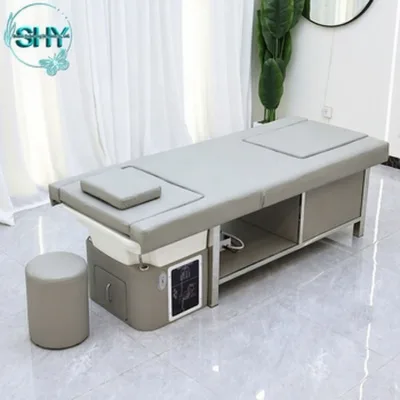
The current market for salon furniture includes a diverse range of models designed for adult users, with a strong emphasis on modern and luxury aesthetics. Observed listings indicate that these units are primarily constructed from synthetic leather and metal, often featuring stainless steel bases for durability. The product scope extends beyond simple hair washing, encompassing applications in pedicure stations, beauty treatments, and physiotherapy clinics. Buyers should note that while "waterproof" is a common descriptor, the actual material composition, such as synthetic leather, requires careful inspection to ensure long-term resistance to moisture and chemicals.
Listing signals reveal significant variation in customization options and physical dimensions. Many suppliers offer customizable colors, including black and other options, to match interior design schemes. The observed product models, such as XT050, XT042, and A288H, suggest a wide array of structural designs, from fixed rotary bases to those with armrests and high-density foam padding. Buyers must verify whether the "multifunction" claim includes features like adjustable layers or integrated LED lighting, as these attributes vary significantly between different model numbers and suppliers.
Technical Specifications to Verify
Electrical and voltage specifications are a primary area of risk for international procurement. Observed data shows a wide range of rated voltages, from AC100-265V to specific 110V120V or 120V240V inputs. Buyers must strictly verify the voltage compatibility with their local grid to prevent equipment damage. Additionally, some units feature colorful LED lights, which adds an aesthetic layer but also introduces electrical complexity. It is essential to confirm that all electrical components, including pumps and lighting, are rated for wet environments and comply with the voltage standards of the destination country.
Physical dimensions and packaging details are crucial for logistics planning and space allocation. Single package sizes observed range from approximately 1757575cm to larger configurations like 2116985cm, with gross weights reaching up to 120kg. These variations impact shipping costs and warehouse handling requirements. Buyers should request precise single package dimensions and weight for each specific model, as "volume" estimates of 1 cubic meter may not reflect the actual packed size. Verifying the packing method, such as carton wooden box packaging or wooden frames, is also vital to prevent damage during transit.
Compliance and Safety Documentation
Safety certifications are non-negotiable for electrical salon equipment. While some listings mention CE certification, buyers must treat this as a background signal rather than a guaranteed compliance status. It is the buyer’s responsibility to request valid, current certificates from recognized testing bodies. For electrical components, verifying compliance with local safety standards, such as UL in the US or IEC internationally, is essential. Buyers should ask for test reports that specifically address waterproofing ratings for electrical parts, ensuring that no shock hazards exist in a wet salon environment.
Material safety and structural integrity documentation should also be reviewed. The use of synthetic leather and high-density foam requires verification of flame retardancy and chemical safety, particularly in regions with strict environmental or health regulations. Buyers should inquire about the durability of the stainless steel base and the quality of the plastic basins, which are subject to constant chemical exposure from shampoos and disinfectants. Requesting material safety data sheets (MSDS) for the upholstery and basin materials can provide additional assurance regarding long-term usability and health compliance.
Cost Drivers and Commercial Terms
Pricing for these units varies widely, with observed ranges from $1 to $1,120 USD, reflecting differences in materials, features, and brand positioning. The minimum order quantity (MOQ) is typically low, often starting at 1 set, which facilitates trial orders for new suppliers. However, buyers should be aware that unit prices may decrease with volume, so negotiating tiered pricing is advisable for larger orders. The cost is driven by factors such as the inclusion of LED lighting, the quality of the hydraulic or mechanical lifting systems, and the thickness of the padding.
Commercial terms and warranty policies are critical for risk mitigation. Most observed listings offer a 1-year warranty, which is standard but should be clearly defined in the contract. Buyers must clarify what the warranty covers, including labor costs for repairs and the shipping costs for replacement parts. Additionally, payment terms should be negotiated to protect cash flow, with options like letters of credit or escrow services recommended for first-time transactions. Understanding the lead time and production capacity of the supplier is also important to ensure timely delivery, especially for bulk orders.
Supplier Qualification and Quality Control
Supplier location and origin are key indicators of manufacturing capability. Many observed products originate from Foshan, China, a major hub for furniture manufacturing. Buyers should verify the supplier’s business license and production facilities to ensure they are legitimate manufacturers or authorized distributors. Conducting a virtual factory audit or requesting recent photos of the production line can help assess their quality control processes. Suppliers with a history of exporting to your region may have better experience with international compliance and logistics.
Quality control procedures should be established before production begins. Buyers should define clear acceptance criteria for materials, such as the grade of synthetic leather and the type of stainless steel used. Implementing a pre-shipment inspection (PSI) is highly recommended to verify that the products match the approved samples in terms of dimensions, finish, and functionality. For electrical components, functional testing under load conditions should be performed to ensure reliability. Establishing a clear protocol for handling defects or non-conforming goods is essential to avoid disputes upon delivery.
Long-Term Procurement Checks
After-sales support and spare parts availability are vital for maintaining salon operations. Buyers should confirm the supplier’s ability to provide replacement parts, such as pumps, motors, or control panels, for at least five years. The availability of technical support, including remote troubleshooting or video guides, can reduce downtime. Suppliers who offer comprehensive user manuals in the local language and provide training resources are preferable. Establishing a direct line of communication with the supplier’s technical team can facilitate quicker resolution of issues.
Sustainability and end-of-life considerations are increasingly important in procurement. Buyers should inquire about the recyclability of the materials, particularly the metal and plastic components. Understanding the supplier’s policies on packaging waste and their commitment to environmental standards can enhance brand reputation. Additionally, monitoring the supplier’s financial stability and market reputation over time ensures a reliable long-term partnership. Regular reviews of product performance and supplier service levels will help maintain high standards of quality and service in the salon.
FAQs
What materials are used for the waterproof multifunction hair salon bed?
The product utilizes synthetic leather and metal for its construction. It features high-density foam padding and a stainless steel base to ensure durability and comfort during salon or spa treatments.
Can the waterproof multifunction hair salon bed be customized for specific needs?
Yes, customization is available for this product. Buyers can request specific colors and styles, including modern or luxury designs, to match their salon or beauty clinic requirements effectively.
Which voltage ratings are supported by the waterproof multifunction hair salon bed?
The unit supports rated voltages ranging from AC100 to 265V. It also operates on 110V to 120V or 120V to 240V, ensuring compatibility with various electrical standards in different regions.
How is the waterproof multifunction hair salon bed packaged for shipping?
Packaging options include carton wooden box packaging or 1PC per carton with a wooden frame. The single package size typically measures around 211 by 69 by 85 cm with a gross weight of 120kg.
What is the minimum order quantity for the waterproof multifunction hair salon bed?
The minimum order quantity is one set. This low MOQ allows buyers to test the product quality before committing to larger orders for their commercial furniture needs.
Where are the waterproof multifunction hair salon beds manufactured?
These beds originate from China, specifically from Foshan. The products are designed for commercial use in medical, salon, beauty, and spa applications with a new condition status.
What warranty is provided for the waterproof multifunction hair salon bed?
A one-year warranty is included with the purchase. This coverage ensures that buyers receive support for any manufacturing defects or issues arising during the initial period of commercial use.